Photo by @felipepelaquim on Unsplash


Playlists are one of the main ways people find new music. A placement puts your song in front of listeners who have never heard your name, and the streams that follow tell the platform your track is worth showing to more people.
This guide covers how playlist placement works on Spotify, Apple Music, and YouTube: what to send curators, when to send it, and which playlists to stay away from.
Pitch through Spotify for Artists at least 7 days before release. It is free, and it puts your song on your followers' Release Radar.
Send curators the track link, genre and mood, two lines on why it fits, and a link to your artist page.
Reach independent curators through SubmitHub, DailyPlaylists, and IndieMono. Try the free ones first.
Never pay for guaranteed placement. Spotify can withhold royalties or pull your song over it.
Apple Music pitching goes through your distributor. YouTube runs on channel curators and playlists you build yourself.
A bad fit sets you back, because listeners who skip your track confuse the recommendations you get later.
Get your song to a distributor first, then pitch it through Spotify for Artists at least a week before release. Once it is out, submit to independent curators on SubmitHub, DailyPlaylists, or IndieMono, and ask fans to save it. Editorial spots are rare, and smaller curated playlists are usually where a first placement comes from.
When your song sits on a list people keep playing, the streams add up and the platform starts serving your track to similar listeners on its own. Placements also make you easier to take seriously when you email a venue, a blog, or a label.
Curators look you up before they add you. Your own website gives them one place to hear the catalogue, read a bio, and download press photos, and our guide on how to make a music website walks through building one.
Playlists work best next to everything else you have running, and our post on ways to promote your music as an independent artist covers the rest. Our post on why every musician, band and DJ needs a website goes into that side of it.
Before you submit anything, it helps to know what you are submitting to.
Chosen by Spotify, Apple Music, and other platform editors. They reach the most people and are the hardest to get on.
Built for each listener out of what they play, like Discover Weekly and Release Radar.

Made by listeners, bloggers, influencers, and brands. They run from tiny niche lists to ones with thousands of followers.
Focused on one style, like EDM, rock, or lo-fi. Good for reaching people who already listen to your kind of music.
Built around a feeling or a situation, like chill vibes, workout, or focus. People leave these running in the background, which is where passive streams come from.
Get our new guides by email
The song has to be on the platforms before you can pitch it, and DistroKid, TuneCore, CD Baby, and Amuse all handle that. Fill in the title, artist name, genre, and release date carefully, since that is what curators and search results read, and a misspelled artist name splits your profile in two. If this is your first release, our guide on releasing music independently covers the whole process.

Spotify lets you pitch one unreleased song at a time through Spotify for Artists:
Log in at artists.spotify.com
Go to Music, then Upcoming
Pick the song and fill in the pitch form
Describe the mood, the instruments, and the listener it suits
Spotify asks you to deliver your music at least 7 days before release so its editors have time to look, and three or four weeks out gives you more room to plan. Pitching also puts the song on your followers' Release Radar, so it is worth doing even when no editor picks it up.
You cannot pitch compilations or tracks where you are only a featured artist, and you can edit the pitch until release day. Our post on Spotify for Artists features covers the rest of the dashboard.
What happens in the first days after release carries a lot of weight:
Get streams in the first 48 hours
Ask fans to save the song and add it to their own playlists
Share it everywhere you post
Set up a pre-save and collect emails from your own site
Our post on triggering the Spotify algorithm goes deeper into what the platform responds to.

Spotify watches what happens after someone hears your track:
Do they listen past the first 30 seconds?
Do they save it or add it to a playlist?
Do they follow you or play something else of yours?
A song that does well in its first week is far more likely to pick up algorithmic placement. Fake plays and badly matched playlists work against that, so be careful where you submit. If your numbers stay flat release after release, our post on why no one is listening to your music covers what to check.
Plenty of independent curators take submissions, and there are sites built for reaching them.
SubmitHub: send your song to curators, blogs, and influencers
Playlist Push: paid, promotes your song to Spotify playlist owners
DailyPlaylists: free submissions to user curated Spotify playlists
IndieMono: genre based submissions, also free
Soundplate: free and paid options
Fresh Finds Discord and Reddit communities: some curators take submissions informally
Whichever you use, write a short personal note on why your track fits that playlist, and try the free options first. SubmitHub curators cover blogs too, so the same submission can turn into a write-up, which our guide on getting press coverage goes into.

SubmitHub is one of the better known ways to reach blogs and playlists.
Pros:
You can send to free and paid curators
Curators usually send feedback either way
You learn quickly which lists respond to your genre
Cons:
Acceptance rates are low unless the fit is close
Some curators cover blogs more than playlists
Paid credits add up
It depends how you use it. Target the right genres, read the curator profiles, and only send to lists that are still being updated, and it will get you somewhere over a few releases. Expect it to take that long.
Whether you go through SubmitHub, Groover, DailyPlaylists, or a message on Instagram, the choice of playlist matters:
Check followers and recent activity. Ten thousand followers means little if nothing has been added in a year.
Read the tracklist. Would your song sound at home there, or stick out?
Stay specific with genre. Broad or mismatched lists confuse Spotify's read of your audience.
Look for steady curation. Avoid lists that dump hundreds of tracks in at once.
A placement on the wrong list can set you back. If the listeners there skip your track, Spotify learns the wrong thing about who to play it to next.
Cold outreach can work, and it gets easier once a curator knows who you are. A few things help without turning into spam:
Follow curators on Instagram, Twitter, and TikTok. Many post submission callouts and share tracks they like.
Engage with their posts before you pitch. Comment, reply to stories, be normal about it.
Send a short personal message. Mention a song on their playlist you liked and why yours would sit well next to it.
Stay in touch without pushing. Thank them either way, and tell them when you have something new.
Credit them publicly if they add you. Share the playlist and tag them.
Curators who enjoy working with you tend to come back for the next release.

Be careful here. Spotify says services promising streams or guaranteed placement in exchange for money break its terms, and the consequences fall on you: royalties withheld, public stream counts corrected, songs pulled from playlists, and repeat cases removed from the platform.
SubmitHub and Groover charge you for a curator's time and feedback, with no placement promised, which is why artists use them. Even so, check who you are sending to, since lists padded with bots do nothing for you. Our post on whether paid music promotion is worth it breaks down what is safe to spend on.
Running your own playlist gives you something to share and a reason for other artists to notice you:
Put your songs next to artists your listeners already play
Link the playlist from your musician website and your social profiles
Ask fans to follow it, then keep adding to it
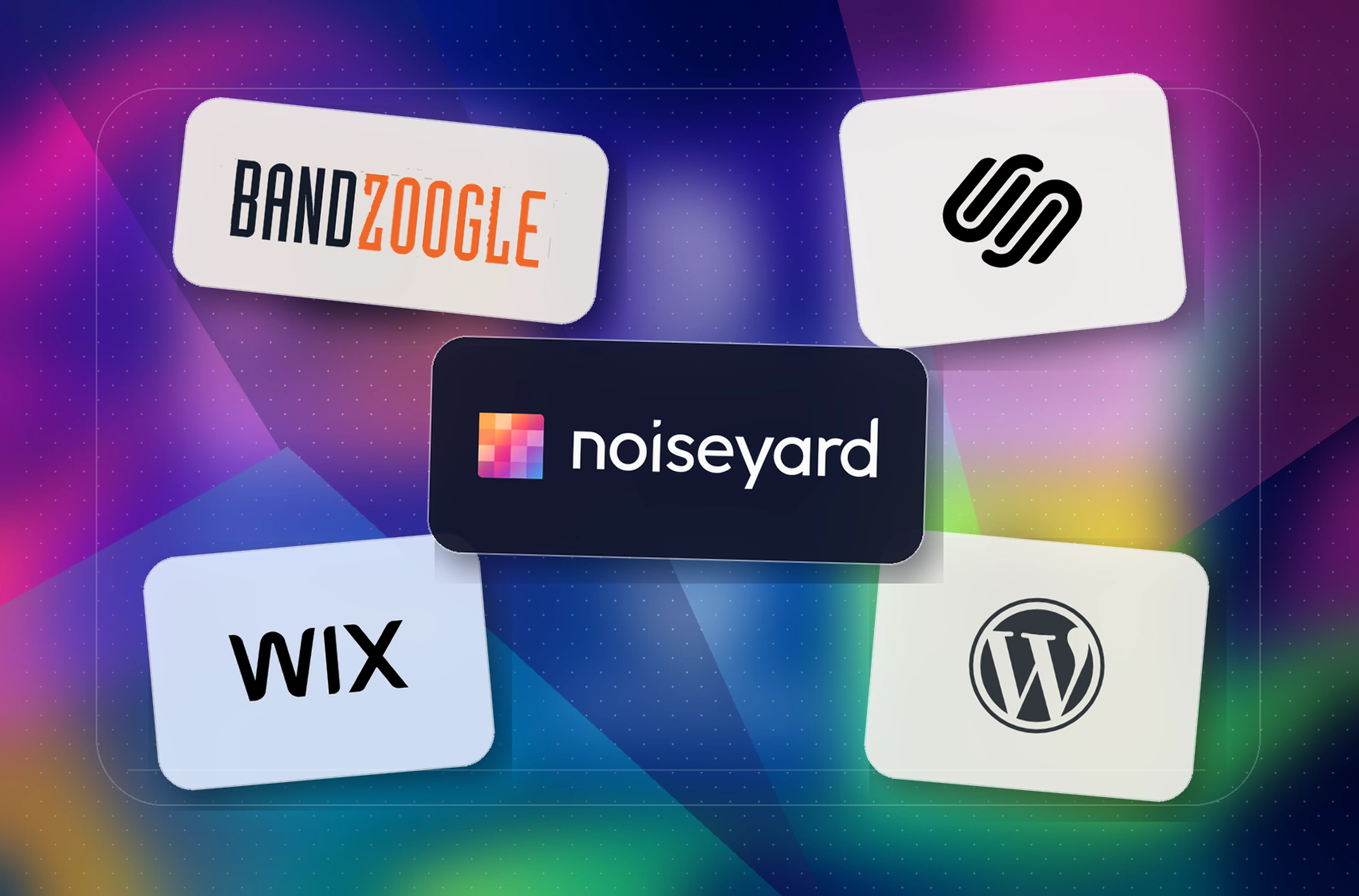
If you do not have a music website yet, our roundup of the best music website builders covers the options.
Submission forms differ from platform to platform, and they ask for the same handful of things. Writing them down once saves rewriting them for every curator.
A link to the track. A Spotify URI or a private stream before release, the public link after.
Artist name and song title, spelled exactly as on the release.
Genre, plus one or two mood words like melancholic, upbeat, or late night.
Release date, and whether the song is out yet.
Two or three sentences on the song. What it sounds like, what it is about, and why it suits that playlist.
A link to your artist page or website.
Contact details and any coverage you already have.
Spotify's editorial pitch is a form with set fields. Independent curators want a message, and the same information fits in one short paragraph. Keep it under about 150 words, since the long ones are the easiest to skip.

If you already have an EPK, much of this is written, and our guide on making an EPK covers what belongs in one. On timing, pitch editorial at least a week before release and contact independent curators in the fortnight around it. Our music release checklist lays out the schedule.
YouTube has no editorial pitch form and nobody there takes submissions. Placements come from channel owners who build playlists, and from playlists you run yourself.
Get the upload right. Send the song through your distributor so it appears on YouTube Music, and upload it to your own channel too.
Fill in the title, description, and tags. YouTube reads text more heavily than Spotify does, and that text decides which playlists you turn up in.
Find channels running playlists in your genre. Search your genre plus the word playlist, then see who is behind the lists that keep getting updated. Many have a contact address on their about page.
Message them like a Spotify curator. Short note, link, and why your track fits what they already have.
Build your own playlists. Your song next to well known tracks in the same style gets you into the sidebar recommendations.
Our guide on using YouTube as a musician covers the channel side.

Apple Music has no public pitch form either. Editorial consideration goes through your distributor or label, so ask yours what it offers before you lock a release date. Fill in every field it gives you, including genre, mood, and lyrics, since Apple's editors sort by those, and claim your Apple Music for Artists account so you can set your artist image.
Short video is one of the cheapest ways to get a song heard. Post clips of the track, and curators who spend time on those platforms will run into it. Our post on what to post as a musician has ideas if you are stuck for what to film.
Ads put the song in front of people who already listen to your genre, and the streams and saves that follow tell the platforms it is worth recommending. Keep the budget small until you know which audience responds.

Playlists made by ordinary listeners count for a lot. The more of them your song sits on, the stronger the signal to the algorithm. Ask directly, and say why it helps.
Regular releases keep your profile active and give you a fresh reason to contact curators. Artists who release often turn up in algorithmic playlists more, since there is always something new for the platform to test. Our post on making a music marketing plan has a schedule you can keep.
A playlist placement puts your song in front of people once, and plenty of them will never look you up again unless you give them somewhere to go. Send them to your own website, where they can join your mailing list and buy your music. Our guide on building an email list as a musician covers what to send them once they sign up.
Build your own musician website
Music player, store, EPK, and mailing list, all built in. Start your 30-day free trial, cancel anytime.
You get paid for the streams a placement brings. The add itself earns nothing, and the money depends on how many people press play and how long they listen. Per-stream payouts are small, so a mid-size playlist might pay a few dollars while reaching a few thousand people. Our post on how musicians make money covers the rest of your income.
Editorial decisions come through on release day, so you know within a week of pitching. Independent curators answer anywhere from the same day to a month later, and a lot of them never answer. Expect your first placements to take a couple of release cycles.
Not on Spotify or Apple Music. Your music has to be on the platform before anyone can add it, and a distributor is how it gets there. YouTube and SoundCloud are the exception, since you can upload directly and curators there work from public links.
Playlist placement builds up over a few release cycles. Get the release ready properly, pitch every time, and keep a list of the curators who replied so the next round takes less work. For more ways to get your music heard, read our post on 10 ways to promote your music without a label.
Get our new guides by email.
Practical advice on promoting your music, getting gigs and selling online. You can unsubscribe at any time.