MARKETING & PROMOTION
How to Run an Album Pre-Order (and Get Paid Before Release Day)

Ozan

Aug 17, 2026
You have a release coming and the bills for it have already arrived. Mastering, artwork, promo and a pressing run all get paid for before the record makes anything back.
A pre-order lets you sell it in the meantime. This post is for independent artists putting out a single, EP or album who want to sell it before release day. It covers when to open one, what to charge, what fans get and when, and what you have to do by hand on the day itself.
TL;DR
-
Open a pre-order two to four weeks before a digital release. Longer if a pressing plant is involved, since vinyl lead times run into months.
-
Give people a reason to buy early: a track they can hear now, a code, or a discount that ends on release day.
-
Email your list the day it opens, before anything goes on social.
-
Only upload the audio you are happy to hand over, because a buyer downloads whatever files are on the release.
-
Put release day in your calendar. Nothing switches itself off, so the pre-order stays open until you turn it off.
Table of contents
What is a music pre-order?
A pre-order lets fans buy a release before it comes out. You put it up with a price and a release date, take the payment now, and the music reaches them on the day. It brings some income forward, tells you how many people are waiting, and gives you two things to announce instead of one.
Three reasons to run one
-
The money arrives before the bills. Mastering, artwork and a pressing invoice are all due before a release earns anything, and a pre-order covers part of that gap.
-
It counts the people who are waiting. Likes and saves tell you very little. A number of paid orders tells you how big a run to press and how much stock to hold.
-
It gives you a second announcement. A release normally gets one day of attention. A pre-order splits that into the day it opens and the day it comes out, so you get two reasons to email people without repeating yourself.
When to open it, and for how long
For a digital release, two to four weeks is enough. That gives you room to announce it twice without anyone forgetting they ordered.
Anything involving a pressing plant runs on a different clock. Vinyl lead times are measured in months and they move, so ask your plant for a current turnaround before you promise a date, then add slack to whatever they say. A pre-order that overruns its shipping date turns into a queue of emails asking where the record is.
Running one for six months is the other mistake. Attention does not last that long, and by the time the release arrives the people who ordered first have stopped caring.
What fans get, and when
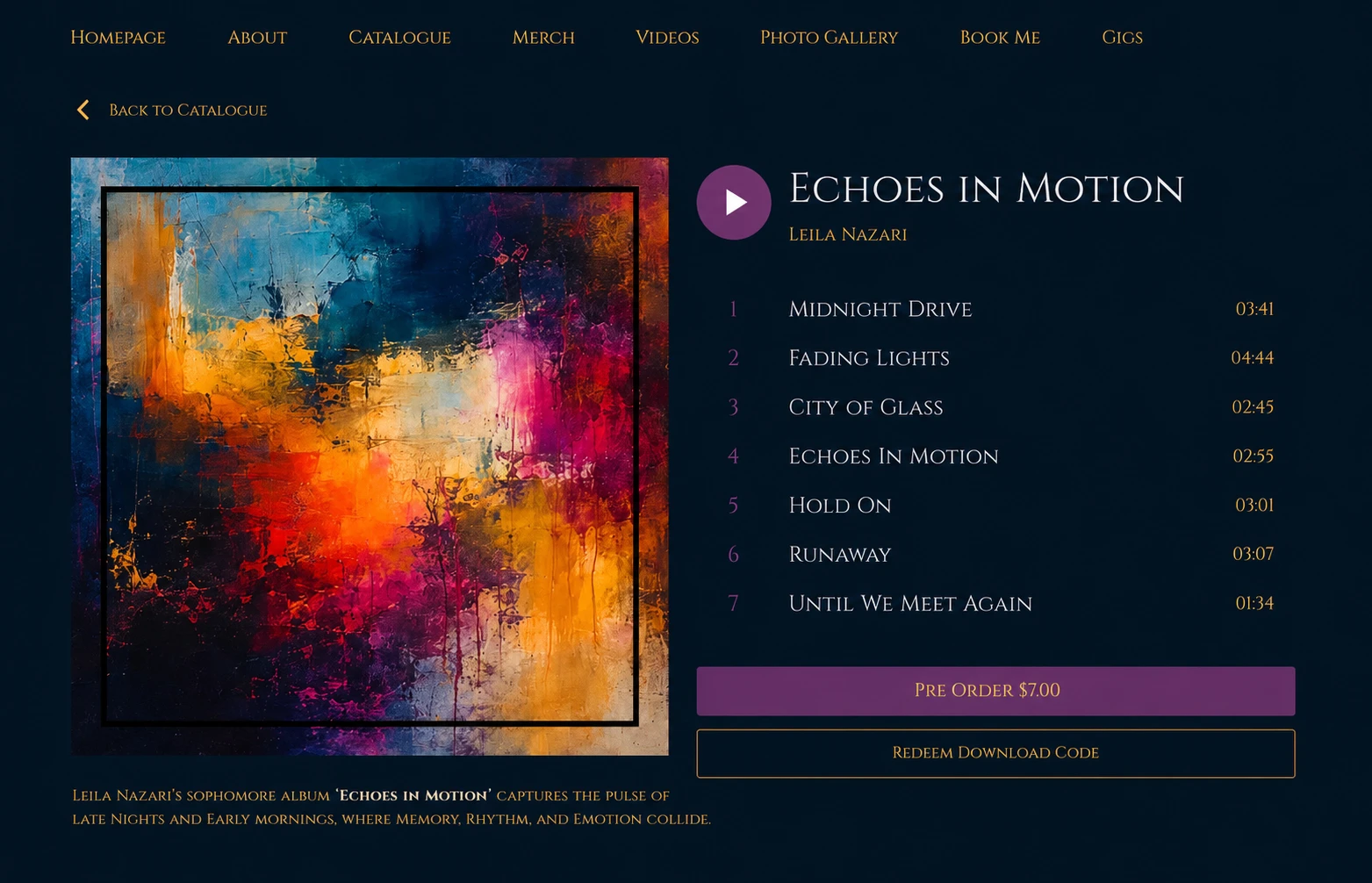
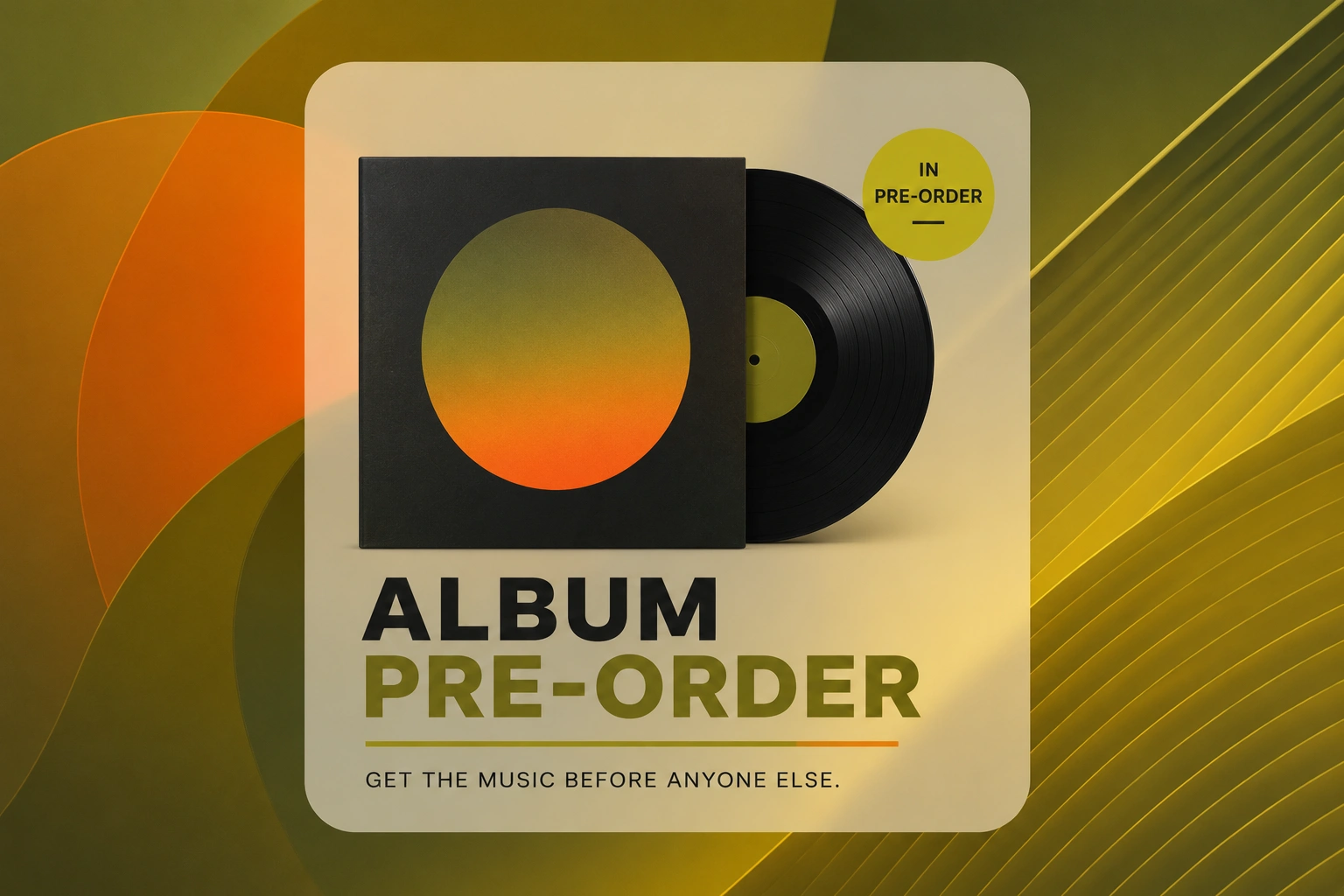
Turning on a pre-order changes two things a visitor sees: the release carries an In Pre-Order badge, and the buy button reads Pre-Order instead of the usual price prompt. You then tick which tracks are included in the pre-order, and those ticks control what people can play on your site while it is open. Tick the single, leave the rest unticked, and the single is what plays on the page.
Delivery is separate. A buyer downloads whatever audio files are on the release, so the ticks do not hold anything back from someone who has paid. If you want two songs now and the rest on release day, upload only those two, and add the remaining audio when the day comes.
In practice this is the simpler way to work anyway. You upload as the masters come back, people buy in the meantime, and the release fills out as you go.
Get our new guides by email

What to charge
Price it the way you would price it on release day. Discounting a pre-order teaches people to wait for a sale, and you cannot take the price back up later without it looking odd.
A set price is the straightforward one. Letting fans decide turns the price into a floor, so anyone who wants to pay more can. On a release people are excited about, that difference shows up in what you take home. There is a fuller breakdown in the guide to pricing your music and merch if you are starting from nothing.
If you want the early buyers to save something, use a code that expires on release day. The saving is the same and the deadline does the work for you.
Give people a reason to order early
Give people something they cannot get by waiting.
-
A track they can hear now. The strongest one. Put the single up as the playable track and keep the rest for release day.
-
A code that expires when the pre-order closes. The deadline is what moves someone who was going to buy it eventually.
-
A download code for the release, printed on a card if you are shipping anything physical, so a buyer of the vinyl also has the files on the day. There's a guide to how download codes work and where to get them.
-
A thank-you in the sleeve notes for everyone who ordered before release day. It costs nothing and people screenshot it.

Photo by Clem Onojeghuo on Unsplash
Tell your mailing list first
The people on your list have already paid you or asked to hear from you, and they are the ones who buy on day one.
Send one email the day it opens, with the price, what they get now, and the release date. Send one more a few days before it closes, aimed at everyone who meant to order and forgot. Two emails is enough for a digital release.
If you have not set a list up, the walkthrough for building an email list as a musician covers where subscribers come from. For the emails themselves, there are worked band newsletter examples including the release announcement.
Post about it socially as well and treat that as the second wave, since the orders tend to come from the list.
Release day is a manual job
The pre-order stays open until you switch it off, and nothing about the release date changes that, so put the day in your calendar with a reminder the night before.
On the day, in this order:
-
Upload the rest of the audio, so everyone who ordered has the full release.
-
Turn the pre-order off. The badge disappears and the button goes back to the normal buy prompt.
-
Email everyone who ordered, telling them the files are there.
-
Then tell everyone else the record is out.
Where this sits alongside the rest of a release, from pre-save links to release-day posts, is covered in the music release checklist. Getting the release onto streaming platforms is a separate job, handled in the guide to releasing music independently.
Vinyl, tapes and CDs
Physical is a different job. The pre-order toggle described above belongs to a digital release, and a record or a tape is a product in your store, where stock levels do the same work.
List the item with the number you are pressing, put the expected ship date in the product description and in your emails, then take the orders. Everything else in this post still applies, and the shipping date is the part people will hold you to.
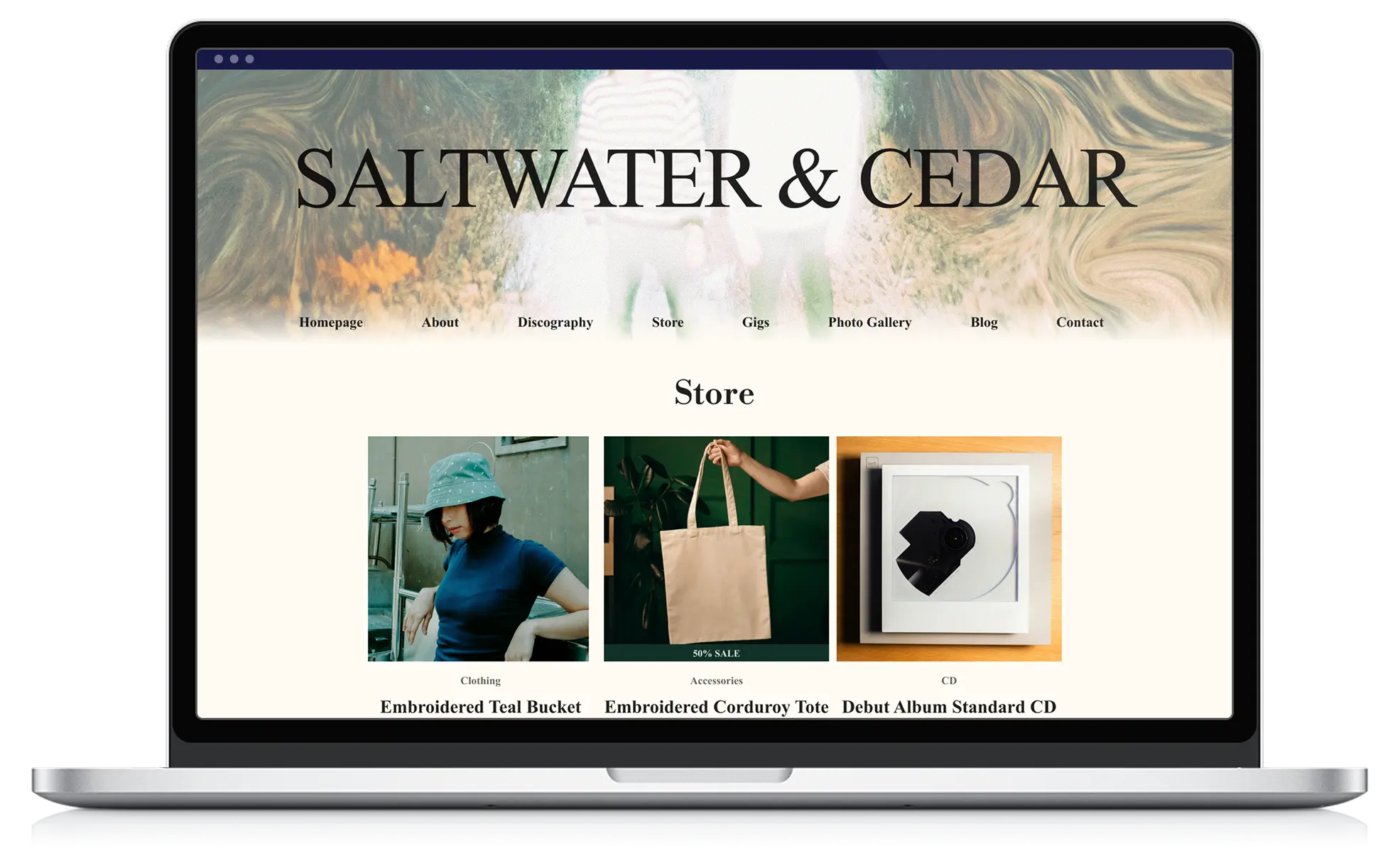
Selling the physical run yourself keeps the money and the buyer's address with you. On a pre-order that matters, because these are the people you will want to tell first next time. The selling tools breakdown covers how the store side is set up.
Build your own musician website
Music player, store, EPK, and mailing list, all built in. Start your 30-day free trial, cancel anytime.
Common mistakes to avoid
-
Promising a date you cannot hold. Pressing delays are normal. Give yourself weeks of slack and tell people early if it slips.
-
Uploading everything and wondering why nothing was held back. Buyers get the files that are on the release. Upload the rest on the day.
-
Opening it before you have anything to play. A pre-order with no audio at all is asking for money on trust.
-
Discounting the pre-order. It trains people to wait for the next sale.
-
Forgetting to switch it off. A release that still says pre-order a month after it came out looks abandoned.
-
Announcing it everywhere except your list. The people most likely to buy are the ones who gave you an email address.
Common questions
How long should a music pre-order run?
Two to four weeks for a digital release, which gives you room to announce it twice while people still remember. Physical runs longer because of pressing and shipping times, so work backwards from the date your plant gives you and add slack.
Do fans get the music straight away when they pre-order?
They get whatever audio is on the release at that moment, so it is under your control. Upload only the tracks you want people to have now, and add the rest on release day.
Should a pre-order be cheaper than the normal price?
Charge the normal price. If you want early buyers to save, use a code that expires when the pre-order closes, so the saving ends when the pre-order does.
Can I take pre-orders for vinyl?
You can take the orders, though it works as a stock item rather than a pre-order mode. List the record with the number you are pressing and put the expected ship date in the description and in your emails.
Where should I run a pre-order, my own site or a marketplace?
Your own site keeps the full payment and the buyer's email, which is what makes the next release easier to sell. A marketplace has browsing traffic you do not, so plenty of artists list on both and point their own audience at their site. The trade-off is covered properly in Bandcamp versus your own website.
Final thoughts
A pre-order is a small amount of setup for money that arrives when you need it most. Pick a date you can hold, upload the track you want people to hear, price it properly, and email your list the day it opens.
The part to get in your calendar is release day itself, since that is the one step nothing does for you.