Photo by Maxim Berg on Unsplash


You posted for three months, sent a few emails, pitched some playlists, and played two shows. Did any of it work? For a lot of independent artists the honest answer is that they have no idea, so they either keep repeating whatever felt busiest or quit and assume none of it helped.
This post is for musicians, bands, and DJs who want a simple way to check whether their promotion is producing anything. It covers the handful of numbers worth tracking, where to find each one, how often to look, how to tell which channel produced a result, and which numbers to stop worrying about.
Track what people did, rather than how many saw it. Signups, sales, saves, and turnout tell you something. Impressions and follower counts mostly don't.
Five numbers cover it: mailing list growth, website visits and what people do on them, saves and repeat listens, sales, and how many people come to your shows.
Look monthly for a quick pulse, and properly once a quarter. Checking daily tells you nothing except how anxious you are.
Your own website stats show what streaming can't: where a visitor came from and what they did next.
Judge a channel over a full quarter. One quiet month is normal, three in a row is a signal.
Track what people did rather than how many saw something. Mailing list signups, website visits and what visitors do there, saves, sales, and turnout at shows all show real intent. Check them monthly for a quick pulse and properly every quarter, then keep doing whatever produced results.
Numbers on their own mean nothing. Two hundred website visits is good or bad depending on what you were trying to do.
So start from what you set out to achieve, and pick one number per goal:
Goal: grow an audience you can reach. Number: new mailing list subscribers.
Goal: earn from your music. Number: sales, and what you made per release.
Goal: play to more people. Number: turnout, and tickets sold in advance.
Goal: get your music heard by new listeners. Number: saves and repeat listens.
One number per goal is enough. Tracking fifteen metrics means you'll check none of them by March.
Get our new guides by email
Almost everything useful sits in five places.
Mailing list growth. How many people joined this month, and where from. This is the clearest sign your promotion converts attention into something you keep.
Website visits, and what people do there. Visits alone are a start, but the useful part is what happened next: did they play a track, open your store, or join the list?
Saves and repeat listens. A save says someone wants to hear the track again, which is a much stronger signal of intent than a single play.
Sales. Money is the least ambiguous signal you have. What sold, how much, and after which piece of promotion.
Turnout. How many came, how many bought tickets in advance, and how that compares with the last show in that city.

You don't need extra software for any of this.
Streaming numbers live in your artist dashboards. Spotify for Artists shows listeners, streams, saves, playlist adds, and where your listeners are, and there's a walkthrough of the useful parts in 10 Spotify for Artists features every independent musician should be using.
Mailing list growth is in your email tool or your website's mailing list section, which shows subscriber counts over time. If you're still setting this up, start with how to build an email list as a musician.
Website activity is in your site's stats, covered in the next section.
Sales are in your store, and your payment processor. For what to do with those figures, see how to price your music, merch, and shows.
Turnout you record yourself. Write down the count and the city after every show, since nobody else keeps that number for you.
Keep a single sheet with a row per month and a column per number. Five minutes a month gives you a year of history, which is what makes patterns visible.
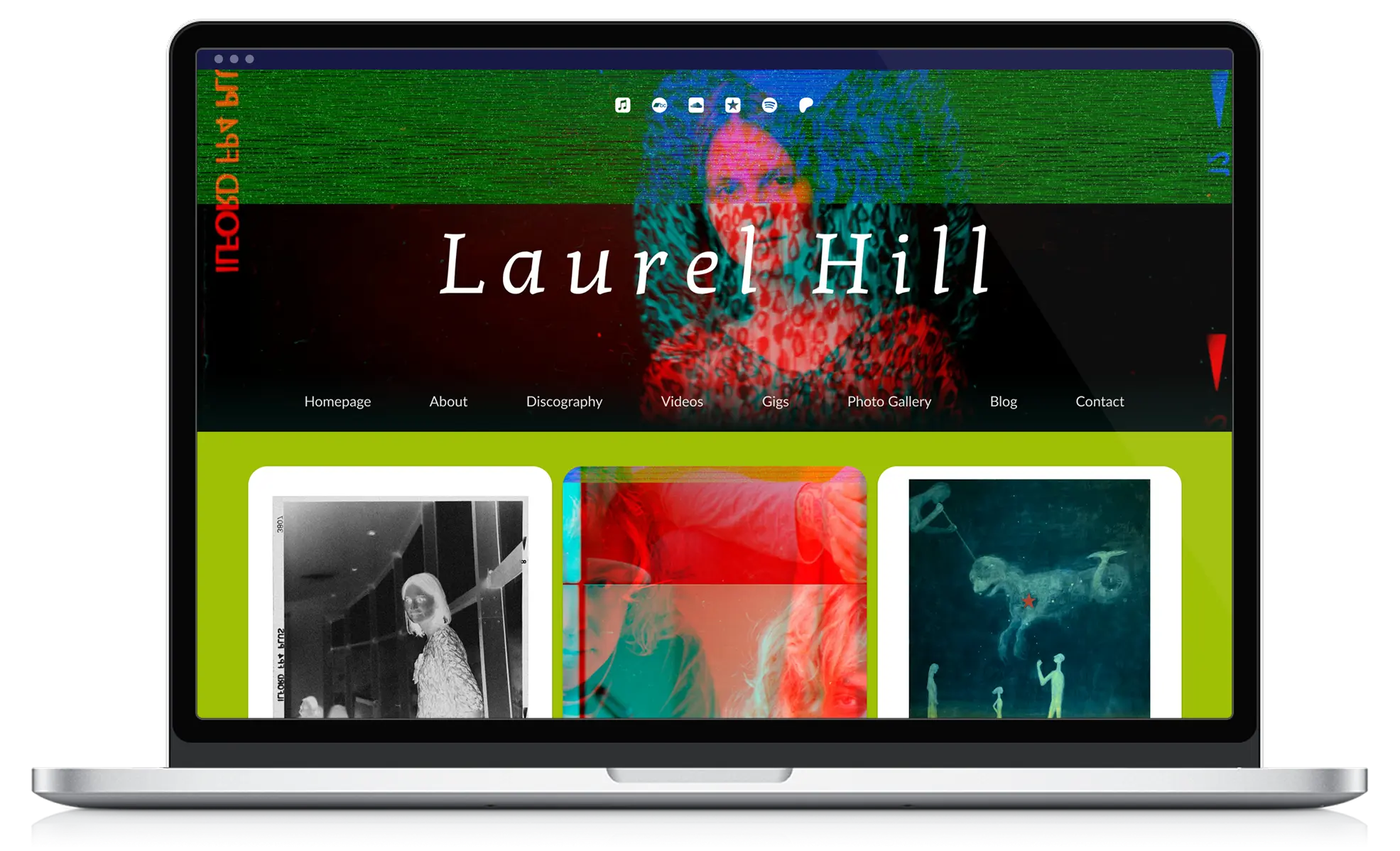
Streaming platforms tell you how many people listened. Your own site tells you what people did, and that's the part that shows whether promotion is converting.
On a site with proper stats, you can see visits and how many plays your music got on the page, along with the journeys visitors took: which pages they moved through in order, which site they arrived from, and what device they were on. That referrer detail is hard to get anywhere else, and it connects a promotion channel to a real visit.
That turns vague questions into answers. If you ran a campaign and your visits came from Instagram but nobody continued to your store, the traffic worked and the offer didn't. If people arrive and play a track but never reach the signup, your signup is in the wrong place. There's more on why that owned data matters in growing your fanbase beyond streams.
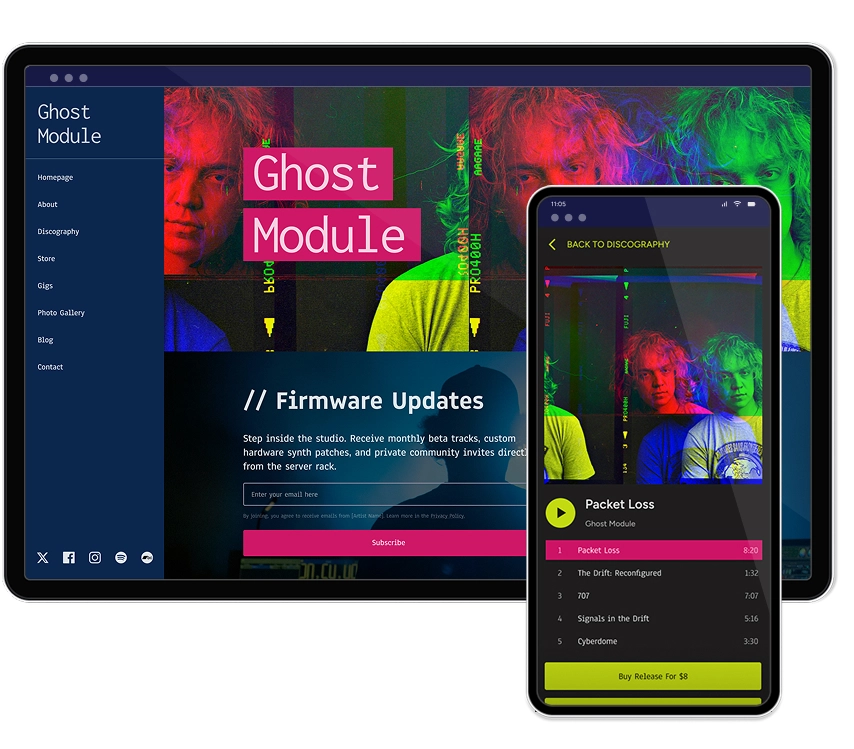
Checking constantly makes you miserable and teaches you nothing, since daily numbers are mostly noise.
Monthly, five minutes. Write your five numbers into your sheet. No analysis, just recording.
Quarterly, half an hour. Compare the last three months, look for direction, and decide what to change.
After each release or tour. Record what that specific push produced, while you still remember what you did.
The quarterly look is the one that matters. Three months is long enough for a pattern to appear and short enough to correct course.
The common frustration is knowing something worked without knowing what. A few practical ways to untangle it:
Check your referrers. Your site stats show which platform sent each visit, which is the most direct answer available.
Use a different link per channel. Point your Instagram bio at one page and your email at another, or use a distinct link for each campaign, and the traffic separates itself.
Ask people. A "how did you hear about us?" line at checkout or on your signup form is unfashionable and works.
Change one thing at a time. If you launch a new posting schedule, a new signup offer, and an ad in the same week, you'll never know which one moved the numbers.
A single bad month is normal. Releases, seasons, and life all interfere. The question is whether you're looking at noise or a pattern.
Treat it as noise if it's one month, if you did less than usual, or if there was no release or show to promote. Treat it as a signal when a channel produces nothing across three months of consistent effort. That's when to move those hours somewhere else.
Be fair to slow-building channels, though. Mailing lists, search traffic, and local reputation grow quietly for months before they show up in your numbers, so give them longer than you'd give an ad.
Some numbers feel important and tell you almost nothing about whether your career is moving.
Follower counts. They measure reach on a platform that decides who sees you.
Impressions and views. Someone scrolling past counts as a view.
Monthly listeners on their own. Useful context, but it moves with playlist adds you didn't control and drops when they end.
Likes. The lowest-effort action available, and it commits nobody to anything.
None of these are worthless as context. They're just poor guides for deciding where your hours go next month, because none of them require a person to do anything.

Build your own musician website
Music player, store, EPK, and mailing list, all built in. Start your 30-day free trial, cancel anytime.
Tracking nothing. Without numbers, you'll repeat whatever felt busiest rather than whatever worked.
Tracking everything. Fifteen metrics is how you end up checking none. Pick one per goal.
Checking daily. Day-to-day movement is noise, and watching it closely makes releases miserable.
Judging a channel on one month. Give it a quarter of consistent effort before you decide.
Only counting reach. Impressions and followers feel like progress while telling you nothing about intent.
Never writing it down. A number you don't record is a number you can't compare, so keep the sheet.
Look at whether people took action: joined your mailing list, played your music on your site, saved a track, bought something, or came to a show. If those are moving in the right direction over a quarter, it's working. Reach numbers like impressions and followers don't answer the question.
Five cover it: mailing list growth, website visits and what visitors do there, saves and repeat listens, sales, and turnout at shows. Add one number per goal you've set, and record them monthly so you can compare across a year.
Spend five minutes a month recording your numbers, then half an hour each quarter comparing them and deciding what to change. Also record what each release or tour produced. Checking daily gives you noise and anxiety rather than information.
They're useful context and a poor primary measure. The figure moves with playlist adds you didn't control and falls when those playlists drop you. Saves, repeat listens, and what people do once they reach your own site are the signals that show whether you're building something.
Check the referrers in your website stats to see which platform sent each visit, use a different link for each channel or campaign so traffic separates itself, ask people how they found you at checkout, and change one thing at a time so results stay readable.
Give any channel about three months of consistent effort. One quiet month is normal. Slow-building channels like your mailing list, search traffic, and local reputation need longer still, so judge those over a year.
Measurement doesn't need a dashboard full of charts. It needs five numbers, a sheet, five minutes a month, and an honest look every quarter.
Do that and the fog clears. You stop guessing which of your habits are worth the hours, you can drop the ones producing nothing without feeling guilty, and every quarter you make slightly better decisions than the last one. That compounds over a career.
Get our new guides by email.
Practical advice on promoting your music, getting gigs and selling online. You can unsubscribe at any time.
Marketing & Promotion
How to Promote Your Music Without a Label (10 Ways)