MARKETING & PROMOTION
How to Make a Music Producer Website (and Get More Work)

Ozan

Jul 24, 2026

Producers get hired on proof. When an artist, a label, or a sync agency is deciding who to work with, they look you up first, and a scattered SoundCloud and a full DM inbox make you look like a hobbyist. A producer website is the one place your work, your credits, and a clear way to hire you all live together, under your own name.
This post is for producers, beatmakers, mixers, and engineers who want more work: artists to produce, clients to mix and master, session gigs, and sync placements. It covers what a producer website needs, how each part helps you get hired, and how to put it together without a big project.
TL;DR
-
Producers get hired on proof, so your website's main job is to show it in one place a client can trust, instead of a scattered SoundCloud and a DM inbox.
-
Lead with your best work: a tight portfolio of tracks, beats, and placements a visitor can hear in one click.
-
List the services you offer (production, mixing, mastering, session work) so people know exactly what they can hire you for.
-
Show your credits and a few client words, since your next client wants to see themselves in your past ones.
-
Sell your beats and music as downloads directly and keep 100%.
-
Put it on your own domain so you turn up when someone searches your name, and you own the whole thing.
Table of contents
How do you make a music producer website?
Build one page that proves you can do the work and shows how to hire you: a portfolio of your best tracks and beats, your credits, the services you offer (production, mixing, mastering), and a clear contact route. A music-focused builder gives you those sections ready to fill in, on your own domain, so you're not starting from a blank screen.
Why producers need their own website
Producers live on referrals and reputation, and both point back to the same question from whoever's hiring: can I trust this person with my record? A website answers it. It shows your work, tells people what you do, and gives them a way to reach you, all on a page you control.
The alternative is what a lot of producers do: send people to a SoundCloud, an Instagram, and a rates message copy-pasted in the DMs. That holds up until the person deciding whether to hire you wants to see everything in one professional place and can't. Your own site is that place, and unlike a platform, it doesn't change its rules or bury your work. There's a wider case for it in why every musician needs a website.
What a producer website needs
A producer site is different from an artist's. You're selling a service and a skill, so the pages are built around getting hired:
-
A portfolio of your best work, tracks, beats, and placements, that plays on the page.
-
Credits and a discography, so people see who and what you've worked on.
-
A services page that spells out what you offer: production, mixing, mastering, session work.
-
An about section with your sound, your approach, and a photo, so you feel like a person to work with.
-
A clear way to hire you, one contact route and, ideally, an enquiry form.
-
A store if you sell beats or music as downloads, and a mailing list to keep clients and fans close.
You don't need all of it on day one. Start with the portfolio, the services, and the contact, then add the rest.
Lead with your best work
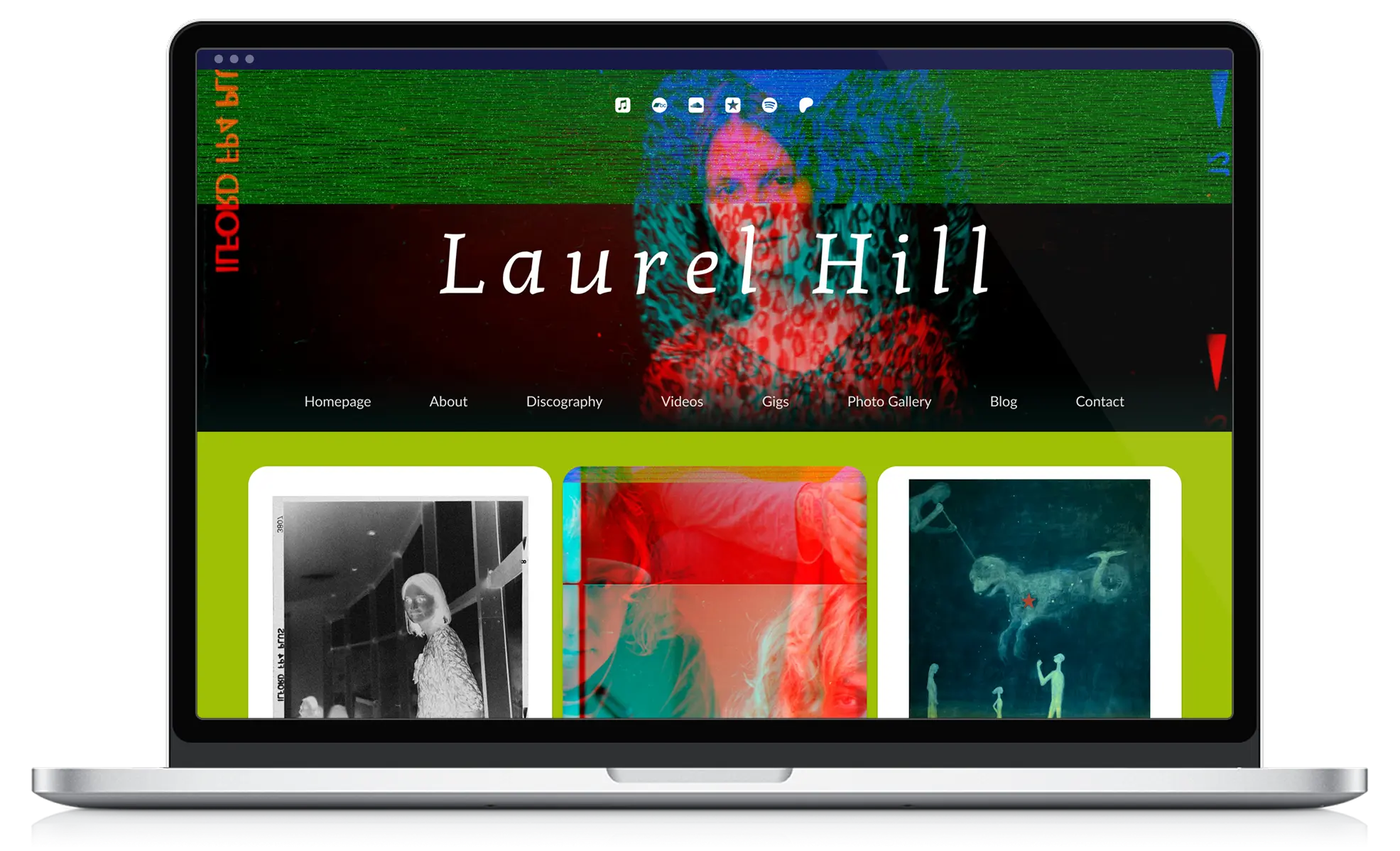
Your portfolio is the first thing anyone checks, so curate it hard. Pick a handful of your strongest, most relevant tracks rather than piling up everything you've ever touched. Embed them so they play right on the page, with a short line of context for each: what you did (produced, mixed, wrote), and who it was for.
Tailor the selection to the work you want. If you're chasing sync, lead with cinematic, on-brief instrumentals. If you want to produce rap records, put your best beats and rap productions up top. Someone deciding whether to hire you should hear the exact thing they'd hire you for within the first few seconds.
Show your credits and social proof
Proof is what turns a visitor into a client. List your credits, the releases you've produced, the artists you've worked with, the placements you've had, even the small ones, because they show you finish real work. A producer-clients guide from Indie Music Academy makes the point that your future clients want to see themselves in your past clients, so put that history where they'll find it.
Add a few words from past clients if you have them. A short quote from an artist you produced, or an engineer you assisted, does more to build trust than anything you can say about yourself. If you're just starting and have no credits yet, produce a couple of strong spec tracks and lead with those.
Turn your services into something people can hire
A portfolio shows you're good. A services page is what lets someone act on it. Spell out exactly what you offer and how it works, so a potential client isn't guessing:
-
Production (full track, beat, or co-production)
-
Mixing and mastering
-
Session work (playing, programming, vocal production)
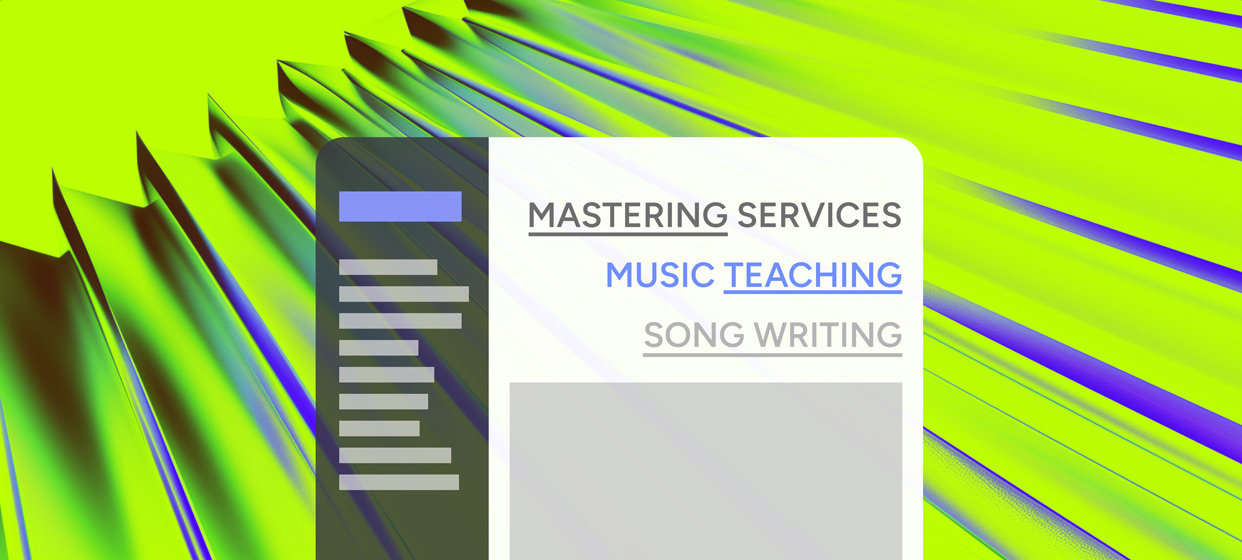
For each, say what's included, roughly how it works, and either a starting rate or a "request a quote" option. A services page that showcases what you offer turns your site from a place people admire into a place people book, and it's one of the clearest ways to diversify your income as a producer.
Make it easy to hire you
Once someone wants to work with you, don't make them hunt. Put one clear contact route on every page, an enquiry form or an email on your own domain, so a message about your rates is a click away rather than buried behind a search of your socials.
Be clear about what happens next. A short note on how you work (turnaround, revisions, how to send files) makes you look professional and filters out mismatched enquiries before they eat your time. A contact form that goes to your inbox, tied to a domain that matches your name, quietly signals you take the work seriously.
Selling your beats and music
If you sell beats or your own music, your website can handle it directly. Sell your instrumentals, loops, and releases as downloads from your own store, and keep 100% of each sale minus the standard payment fee, so the money goes to you instead of a platform taking a cut.
Better still, the store sits right next to the work that sold people on you, so a visitor who likes what they hear can buy on the spot, without leaving to find it somewhere else. There's more on setting that up in selling your music and merch online.
Get found, and point everything at your site
A site only gets you work if people reach it, so give it two ways in. First, search: a site on your own domain can rank for your producer name, your genre, and your city, so a search like "hip-hop producer in [city]" or "mixing engineer for hire" can turn up you. (If your builder handles the technical side like page titles and alt text, that mostly takes care of itself. If it doesn't, there's a musician SEO guide for the basics.)
Second, make your website the link everywhere else. Put it in your SoundCloud, your Instagram, your YouTube, and your beat-platform profiles, so every place people already find your work sends them to the one page that can book you. If you also want sync work, the same site is what you send to supervisors, covered in how to get your music in film, TV, and ads.
How to build it
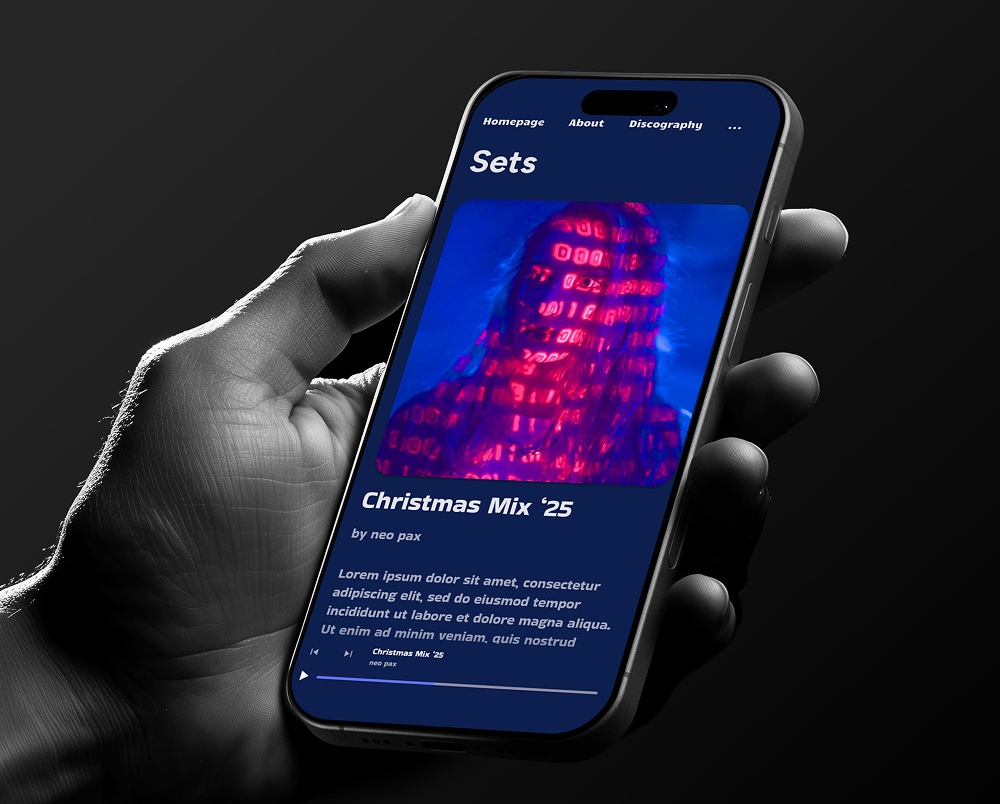
You don't need to code, and you don't need a designer. A builder made for musicians gives you the pieces a producer site needs, a portfolio that plays your music, a services page, a store, and a contact form, already built, so you fill them in rather than start from a blank screen. You can have a clean version live in an afternoon.
The generic step-by-step, picking a platform, getting a domain, and setting up the core pages, is the same as any music site, and it's covered in how to make a music website. This post is about what to put on yours as a producer, and how to arrange it so it gets you hired.

Build your own musician website
Music player, store, EPK, and mailing list, all built in. Start your 30-day free trial, cancel anytime.
Common mistakes to avoid
-
Dumping your whole catalog. A hundred tracks with no order buries your best work. Curate a tight portfolio and lead with your strongest, most relevant pieces.
-
No clear services. If a visitor can't tell what you offer or how to hire you, they leave. Spell out production, mixing, mastering, and session work.
-
Hiding your contact. A buried or missing contact route loses you work. Put one clear way to reach you on every page.
-
No proof. Skills without credits or client words are just claims. Show what you've worked on, even the small stuff.
-
Sending clients to scattered socials. A SoundCloud plus a DM thread isn't a professional presence. Point everything at one site you own.
-
Ignoring your niche. "Producer" says nothing. Positioning yourself around a genre or a service you're known for pulls in the clients who want exactly that.
Common questions
Do music producers need a website?
Yes. Producers get hired on trust, and a website is where you prove you can do the work and show how to hire you, all in one place you own. It looks more professional than a scattered SoundCloud and DMs, it turns up when someone searches your name, and it doesn't disappear when a platform changes its rules.
What should a music producer website include?
A curated portfolio that plays on the page, your credits and discography, a services page (production, mixing, mastering, session work), a short about section, and a clear contact route. A store for selling beats or music as downloads and a mailing list are worth adding once the basics are live.
How do producers get clients through a website?
Your site turns cold traffic into enquiries. Someone finds your work through a referral, a search, or a link in your socials, hears your portfolio, sees your credits and services, and reaches out already knowing you're a fit. It works as inbound: the people who contact you have mostly decided before they message.
Can I sell beats from my own website?
Yes. You can sell your beats and music as downloads directly from your own store and keep the full price, minus the standard payment fee. Selling straight from your site means the money reaches you instead of a platform taking a cut, and the store sits right beside your portfolio, so people can buy the moment they hear something they like.
What's the best website builder for music producers?
Look for one made for musicians, so the portfolio player, services page, store, and contact form come pre-built rather than something you have to piece together. That saves you the design work and gives you a producer-ready site you can fill in and launch quickly, on your own domain.
Final thoughts
A producer website is your proof and your storefront for work in one place. Curate the tracks that show what you do best, spell out the services people can hire you for, back it with real credits, and make reaching you effortless.
Get that live on your own domain, point every profile and referral at it, and it quietly works as your best salesperson, showing new clients exactly why they should hire you, long before you ever reply to their message.