Photo by Michael Moloney on Unsplash


Merch can be a real source of income, and it is also one of the easiest ways to lose money. With traditional printing you pay for a batch up front. Guess the wrong sizes or the wrong design and you are left with boxes you have to store, pack, and post yourself.
Print-on-demand removes that risk. This guide covers which service to use, what to sell first, how the margins work, what affects print quality, and the mistakes that cost people money.
Print-on-demand means each item is made after a fan buys it, so you never pay for stock up front.
Printful is the service that connects to a Noiseyard store. Printify, Gelato, and Redbubble are the other common ones.
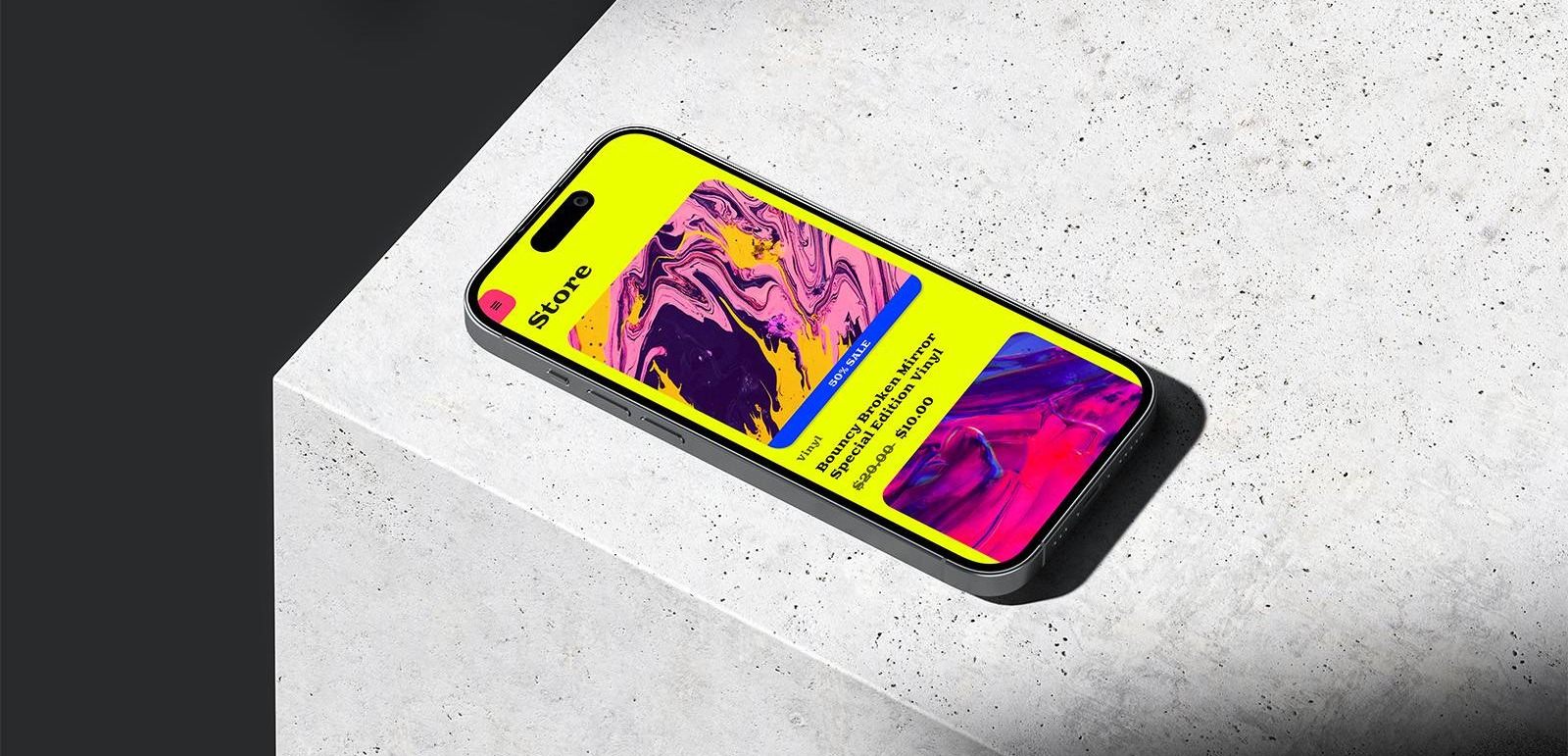
Start with two products: one shirt and one cheap add-on like stickers.
Margins are thinner than bulk printing. You trade profit per item for no risk and no packing.
Order a sample before you list anything. It is the only way to know how a print really feels.
Put an honest delivery estimate and a size guide on every product page.
Print-on-demand means your merch is printed only after a fan orders it. You upload a design, list the product, and the POD partner prints, packs, and ships it. You pay nothing up front and hold no stock. The trade-off is a smaller profit on each item.
You upload your design to a POD partner once. When an order comes in, that partner makes the product and sends it straight to the fan. Some people call the same setup dropshipping, since nothing passes through your hands.
So your inventory is really just your product listings and your design files.
If you are already juggling releases, practice, gigs, and a job, POD keeps merch simple.
Bulk printing costs money before you have sold anything. With POD there is no order to gamble on.
Bulk merch means guessing how many smalls and how many XLs. With POD you can offer the full size range from day one.
Your POD partner prints, packs, and ships. No evenings spent taping boxes.

A good POD service gives you clean product mockups you can use in your listings, so you can open a store without arranging your own product photography.
POD partners ship internationally. Delivery time and cost vary by country, so show clear shipping expectations on the page.
A large part of the retail price goes to the blank product, the printing, the fulfillment, and the shipping. Your profit per item is smaller than it would be with a bulk order. What you get back is the removal of the biggest risk, which is paying up front for stock that does not sell.
Get our new guides by email
The main services all print and ship music merch. They differ mostly in where they print, what blanks they carry, and whether they connect to your own store.
Printful is the one Noiseyard connects to. Large catalog, printing facilities in several countries, and products you set up there appear in the store on your own site.
Printify works as a network of print partners, so cost and turnaround change depending on which partner fulfills the order.
Gelato prints locally in a lot of countries, which can cut delivery time for fans outside the US and Europe.
Redbubble and similar marketplaces host your products on their own site, so the sale happens there and the fan never reaches your page.
What to compare, in this order:
Where they print. Printing closer to your fans means faster and cheaper delivery.
The blanks they stock. The garment itself decides how a shirt feels far more than the printing does.
Base cost against your selling price. That gap is your margin, and it is the whole business.
Whether it connects to your store. A service that syncs into your own website keeps the sale on your page, where the rest of your music is.
That last point is the real split. A marketplace listing puts your merch next to thousands of other designs. A store on your own site sits next to your music, your dates, and your mailing list.

Start small, see what people buy, and build from there. Do not launch with thirty products.
Across merch platforms, t-shirts sell the most units, more than half of everything sold by one industry count. They are a simple way for someone to say they support you. For smaller artists, cheap items often convert well too, especially at shows, because they are an easy impulse buy.
A practical starter setup:
One wearable main item: a t-shirt, or a hoodie if your audience buys heavier things
One low-cost add-on: stickers, posters, hats, or tote bags
Our post on how to sell your music and merch online covers the wider range once POD is running.

The best early designs are usually simple:
A clean logo, or your project name
Album artwork, which can be one clear element from the cover, a cropped detail, or the album title in large type
A tour-style back print, even if you are not touring yet
A limited colorway, the same design in one or two colors so it reads as deliberate
A useful rule: the design should be readable from a few steps away, with no tiny details that disappear into fabric. Our guide on branding yourself as a musician covers building a look that carries across your merch and your site.

One underrated benefit is that POD shows you which designs fans pick, without you buying boxes first.
If a design sells steadily, you can move that one into bulk printing later, where the margins are better and delivery is faster. You will be making that call on real numbers.

Quality comes down to two things: the service you picked, covered above, and the blank you choose inside it.

The single most reliable check is to order a sample for yourself before you put a product in your store. Beyond that:
Pick decent blanks and skip the cheapest option in the list
Keep designs high contrast and not overly detailed
Add a size guide to the product page, which cuts exchanges and unhappy fans
Printful publishes a graphics and embroidery guide covering file formats and print areas, which is worth reading once before you upload anything.
Even with a good partner, design choices decide the result:
Avoid tiny details and very thin lines, which print softer than you expect
Use high contrast, especially on dark shirts
Start from a high-resolution file, never a screenshot
Do not count on neon colors looking the same on fabric as they do on screen
As above, ordering a sample is the safest way to check before you list.
Keep it simple:
Check the base cost of the product
Add your margin on top
Make shipping clear, either shown separately or built into the price
Noiseyard takes no commission on store sales, so the only costs in that sum are the base product and the shipping. Our guide on pricing your music, merch, and shows goes into what to charge.
POD removes a lot of work. It does not remove the need to set expectations.
Shipping times. POD is not two-day delivery. Put an honest estimate on the product page.
Returns and exchanges. Decide the policy early, especially for sizes.
Descriptions and sizing. A simple size guide prevents most of the problems you would otherwise get.
Launching too many products at once
Using low-resolution artwork and getting a blurry print
Pricing so low there is no margin left
Mentioning merch once and never again. Our post on what to post as a musician has content ideas that include your store
A plain plan works here. Start small, keep it clean, and improve it over time.

Noiseyard already includes a store on your site, and print-on-demand is an add-on to that.
In practice:
Your Printful products sync into the store you already have
Anything you sell that is not POD can sit in the same store
All of it lives on the same website, next to your music, your dates, and your about page
You choose products, upload designs, set your pricing, and publish. Our musician website features page covers what else the store handles.

If you are still deciding whether your own site is worth it, why every musician, band, or DJ needs a website is a useful read.
Build your own musician website
Music player, store, EPK, and mailing list, all built in. Start your 30-day free trial, cancel anytime.
Nothing up front. You pay the base cost of a product only when a fan has already bought it, and that cost comes out of the sale. The only thing you might choose to spend money on early is a sample order for yourself.
Yes. It is one of the lowest-risk ways to start selling merch, because there is no stock to buy and nothing to store.
Per item, usually yes. You avoid the upfront cost, the leftover stock, and the packing work, which is what you are paying for.
A t-shirt is the safest start. For smaller artists, adding something cheap like stickers or a poster helps conversions.
Yes. Pick good blanks, start from high-quality artwork, and order a sample before you list it.
It depends on the product and where the fan lives. Show an estimated delivery range on the product page and again at checkout.
Have a clear policy. Size exchanges are the most common issue, so include a size guide and point people at it before they order.
Yes. POD works best sitting alongside whatever else you sell.
POD suits online orders. Once you see steady demand, bulk print your best sellers for the merch table, where the margins are better and people walk away with it. Our guide on getting gigs as a musician covers filling the calendar those tables depend on.
Use social platforms to get discovered, and send people to your own website to buy.
Print-on-demand is the lowest-risk way to find out whether your fans want merch. Set up two products, order a sample, price them so there is a margin left, and mention the store more than once.
Merch is one income stream among several, and our post on how musicians make money covers where it fits with the rest.
Get our new guides by email.
Practical advice on promoting your music, getting gigs and selling online. You can unsubscribe at any time.