MUSIC CAREER ADVICE
The Musician's Guide to Building Online Presence

Deniz

Aug 13, 2026
There is a lot of pressure on artists to be everywhere online, posting constantly, jumping on trends, keeping up with every new platform. In practice, being findable and consistent in a few places is what grows an audience.
The artists who build lasting followings tend to show up with intention, share what is real, and make it easy for people to stick around.
Here is how to build your presence without burning out or losing your creative spark.
TL;DR
-
Start with a home base. One page you control, holding your music, your links, and a way to get in touch.
-
Be findable in search. A custom domain and a written bio do most of that work.
-
Pick one or two social platforms and post at a pace you can keep up with.
-
Set up a mailing list early. Even twenty people who open your emails is a solid start.
-
Claim your artist profiles on Spotify, Apple Music, and YouTube, then tidy up the bios and links.
-
Build it in that order, one piece at a time.
Table of contents
How do you build an online presence as a musician?
Start with one page you control that holds your music, your bio, and your links. Make sure your name is findable in search. Pick one or two social platforms you can keep up with. Add a mailing list so you can reach people without an algorithm in the way. Build it in that order, one piece at a time.
1. Start with a real home base
Already have a website? Skip to the next step.
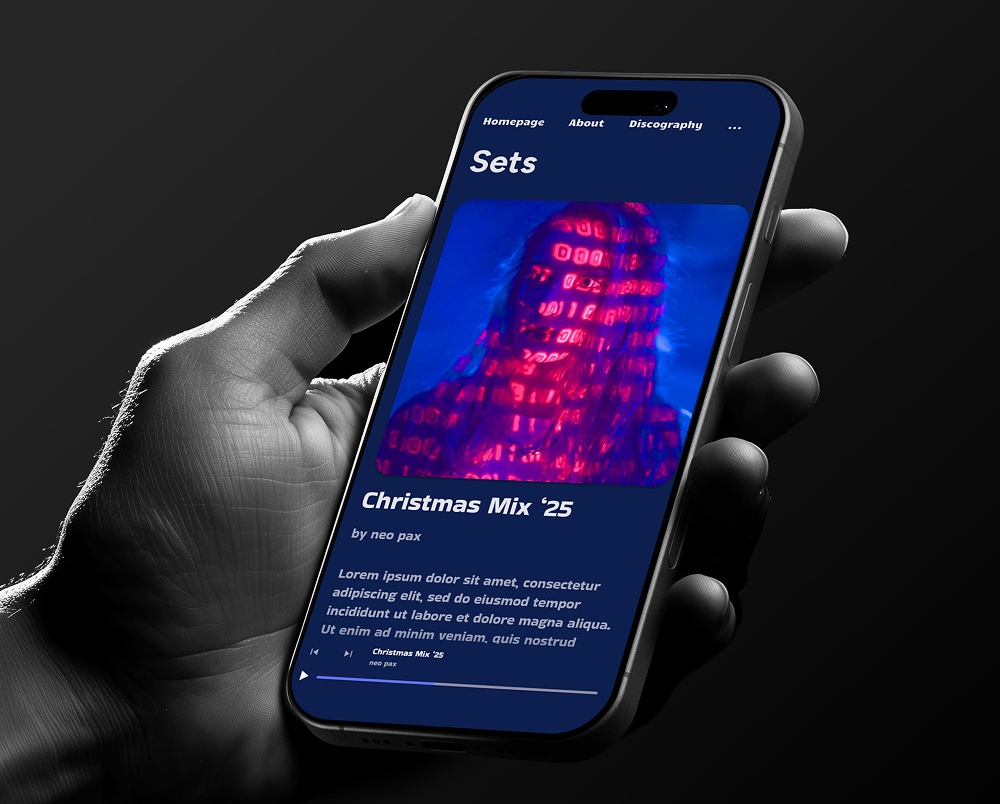
Before you worry about TikTok reach or Spotify growth, make sure people have somewhere to land when they look you up. A musician website gives your music a home, builds trust, and keeps everything in one place.
Here is what it does for you:
-
Collects everything in one place: streaming links, bio, tour dates, merch, press photos, and socials.
-
Lets you build a mailing list, which is the most reliable way to reach your audience without depending on a feed.
-
Lets you sell music or merch directly to fans, with no platform commission on some builders.
-
Gives journalists and curators what they need in one visit, with press-ready info already on the page.
-
Puts you in control of the experience. No ads, no algorithm, no clutter.
If you are not sure where to start, we broke down what belongs on the page people land on first.
Build your own musician website
Music player, store, EPK, and mailing list, all built in. Start your 30-day free trial, cancel anytime.
2. Be findable in search
Social media is great for quick discovery, and it fades fast. Someone might catch a clip of your music on TikTok, then search your name to find more. That is where being findable matters.

Photo by Stephen Phillips - Hostreviews.co.uk on Unsplash
People still use search engines. If someone types your artist name plus your genre or your city, will your site come up?
It will if your website includes:
-
A custom domain: yourartistname.com looks professional and helps Google connect the dots.
-
A written bio: one that says what kind of music you make and where you are based.
-
A blog or updates section: even a few posts about your songs, shows, or process give search engines something to read.
A few well-written pages go a long way toward helping fans, bookers, and collaborators find you, and you can write them once and leave them alone. For the full version of this, we have a guide to SEO for musicians.
3. Use social media to build connection
Instagram, TikTok, and YouTube Shorts matter when they are used with purpose. Pick a posting pace you can sustain and hold it.

Photo by gaspi the artist on Unsplash
Pick one or two platforms where you will:
-
Share glimpses of your process: studio clips, gear setups, a vocal take, a lyric you are wrestling with.
-
Post short previews of new songs, rehearsals, or upcoming shows.
-
Link back to your website when there is something worth checking out.
Give the people who find you a reason to stay. When a post does take off, make sure there is more to explore, something that shows who you are beyond the clip.
Get our new guides by email

4. Set up a mailing list early (and use it)
Even a tiny list, say twenty people who care, is worth having. An email arrives in an inbox with no algorithm deciding whether it gets seen.

Photo by Jonathan Cooper on Unsplash
Use it to send:
-
Pre-save links or pre-orders ahead of a release.
-
New track announcements with the context behind them.
-
Notes on your process, from writing, recording, or touring.
-
Exclusive downloads, early merch codes, or one-time offers.
-
A welcome email that thanks new subscribers and sets expectations.
Noiseyard includes mailing list and newsletter tools on every plan, and you can connect an outside service if you already use one. This guide to building an email list covers what to send and how often.
5. Claim and clean up your profiles
Before you chase new listeners, make sure your existing profiles work for you. Claiming your artist pages gives you control over how you appear and what fans see first.

Photo by Omar Prestwich on Unsplash
Claim and update:
-
Spotify for Artists
-
Apple Music for Artists
-
YouTube Official Artist Channel
-
Bandsintown or Songkick for shows and tour tracking
-
SoundCloud, Audiomack, or wherever else your music lives
Once claimed, polish them:
-
Write a short, current bio that gives people a feel for who you are. This guide to writing an artist bio walks through it.
-
Upload clear, high-quality press photos.
-
Add current links to your site, mailing list, latest release, or merch.
-
Check for outdated info: old links, broken URLs, retired branding.
These details add up. A consistent presence across platforms builds trust and helps people take you seriously, even early on.
6. Don’t try to do it all at once
You have music to make, so build this slowly:
-
Website first
-
Then the mailing list
-
Then claim your profiles
-
Then start posting, at your pace
Aim to be findable and consistent, and let the presence grow from there.
Common questions
Where should a musician start with an online presence?
Start with the page you control, because everything else points at it. Get your music, a short bio, and your links onto one site, then add a mailing list signup. Social profiles and posting come after that, once there is somewhere for a new listener to go.
Do I need a website if I already have social media?
You can start without one. The difference shows up when someone wants more. A social profile shows your latest post. A site shows your music, your bio, your dates, and a way to reach you. Bookers and journalists tend to look for the second one.
How many social platforms should I be on?
One or two that you can keep up with. Posting regularly in a couple of places leaves you time to write music, and your listeners get a steady signal. Pick the ones where they already are.
One last thing: keep it human
Fans stay interested when a page feels like a person. Share real moments and real words alongside the polished photos and promo posts, so someone who finds you gets a sense of who you are.